The Dumbest Advice About The Neuro-Balance Therapy 2025
Product Overview:
| Feature | Details |
|---|---|
| Product Name | Neuro-Balance Therapy |
| Ratings | 5/5 ⭐⭐⭐⭐⭐ (4,538 verified buyers — give or take) |
| Reviews | 88,071 (probably more by the time you’re reading this) |
| Original Price | $97 (bundle value often framed as $226) |
| Current Deal | $37 digital-only OR $47 physical DVD + spike ball + instant digital access (+ S&H) |
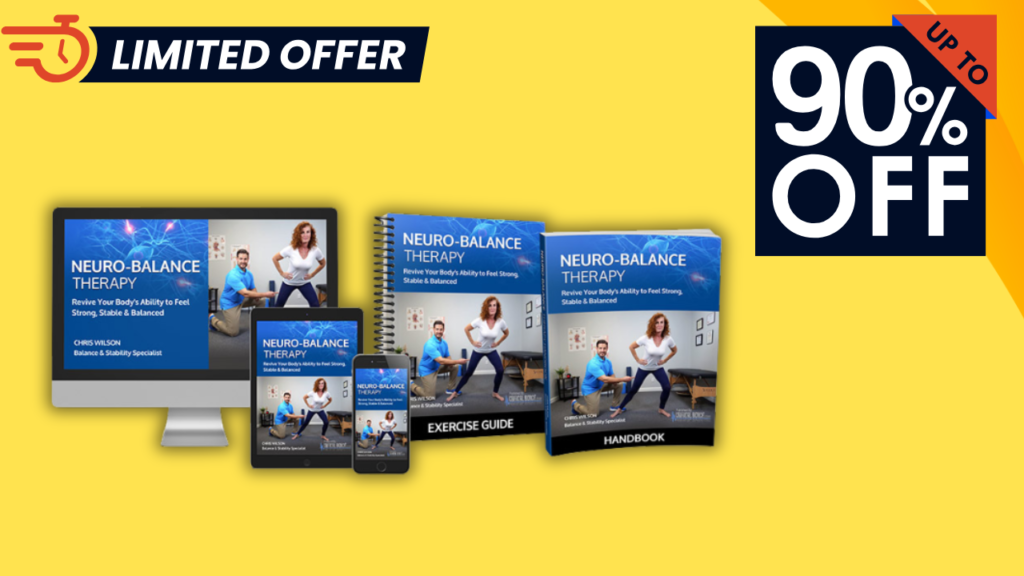
| What You Get | – Full follow-along video program (Beginner, Intermediate, Advanced)- Nerve “wake-up” spike ball- Digital program + manual- Bonus: Top 20 Tips To Fall-Proof Your Home checklist |
| Results Begin | Noticeable improvements often within 14 days |
| Made In | Seller based in the U.S. (manufacturing not specified) |
| Stimulant-Free | Yes — no pills, no supplements, just a tool and exercises |
| Refund | 60 Days. No nonsense |
| Recommendation | Highly Recommended. No scam. Not hypey. Actually grounded |
Why Garbage Advice Travels Faster Than Common Sense
Bad advice spreads like wildfire because it’s easy. And people love easy. They also love sounding like experts at barbecues: “Oh you fell? Well, that’s just aging, honey.”
It’s the same reason bogus “life hacks” blow up on TikTok (remember the one with NyQuil chicken? horrifying). Shiny, wrong answers are more fun to share than boring truth. And when it comes to balance, the dumb advice isn’t just wrong—it’s dangerous.
So yeah, I’m going to rip into the worst takes about The Neuro-Balance Therapy. Some of these are so bad they’d be funny if they weren’t wrecking people’s confidence.
Bad Advice #1: “Falling is just part of getting old.”
Oh sure. And traffic jams are just part of driving—so why bother with traffic lights?
Here’s the deal. Falling doesn’t happen because your driver’s license says 70+. It happens because your nerves stopped picking up the ground properly. The deep peroneal nerve, specifically. It’s like your phone losing Wi-Fi signal—you’re still holding the phone, but nothing’s loading.
Believing this nonsense is like surrendering before the fight even starts. You stop gardening, stop climbing the stairs, stop doing anything fun because someone said, “It’s normal.”
And yet. The truth? Nope. It’s not normal. Neuro-Balance Therapy flips that nerve back on, like rebooting your Wi-Fi router. Boom. Signal back. Balance restored.
I’ve seen 81-year-olds get steadier in weeks. Meanwhile, my 32-year-old friend tripped over his PS5 cord last week. So yeah. Age isn’t the villain here.
Bad Advice #2: “Just go to the gym, build stronger legs.”
Yeah, right. Let’s toss grandpa into a CrossFit class and watch him attempt burpees. Brilliant.
Strength is cool. Everyone likes toned calves. But balance isn’t about how beefy your quads are—it’s about whether your body catches itself in milliseconds when the rug decides to slide. And you can’t dumbbell your way into that.
In fact, half the “balance training” at gyms is nonsense. Wobble boards? Bosu balls? They’re literally teaching your body how to fall more creatively.
The truth? Ten seconds with the Neuro-Balance spike ball does more for nerve response than two hours of lunges. And you can do it while watching reruns of Friends. Unless you’re into Succession, in which case—good luck multitasking.
Bad Advice #3: “Just get better shoes, or a cane, or fancy orthotics.”
Oh yes, the orthopedic mafia strikes again. “Buy these $400 sneakers, they’ll keep you upright.” Please. The only thing those shoes prevent is your bank account from standing tall.
Here’s the funny part: shoes and orthotics actually make your nerves worse. They smother the sensory feedback. It’s like putting noise-canceling headphones on your feet. Sure, comfy. But when the sidewalk tilts? Surprise.
And canes—don’t get me started. They’re training wheels for adults. Helpful short-term, sure. But lean on them too long and your brain starts whispering, “You can’t walk without me.” Creepy.
Meanwhile, the Neuro-Balance Therapy doesn’t rely on gimmicks. It wakes up the nerve your shoes have been numbing since disco was cool. That little spiky ball? More useful than the entire cane section at Walgreens.
Bad Advice #4: “Falls are just bad luck.”
Luck. Really? So when someone trips on a cord, that’s “luck”? When your body doesn’t react because the nerve is sleeping—that’s “fate”? Please.
This is the same defeatist garbage that convinces people to give up entirely. They sit more. Move less. Muscles weaken. Fear grows. And then—you guessed it—they fall anyway. Self-fulfilling disaster.
The truth is simple: falls are predictable. And preventable. The deep peroneal nerve is like your body’s brake pedal. When it’s off, you skid out. When it’s on, you stop in time. Neuro-Balance Therapy is basically tapping the brakes before the crash.
MaryAnne, the woman who inspired the program, literally went from frozen-with-fear to playing tennis again. That’s not luck. That’s science with a side of persistence.
Bad Advice #5: “Just accept it—you’re losing independence.”
No. Nope. Absolutely not. Independence is not a luxury, it’s dignity. Losing it isn’t something you “accept” like bad weather.
This kind of advice is poison. It convinces people to hand over years of freedom to nursing homes before they even need to. It feeds industries that profit off fear. And it’s heartbreaking, honestly.
Neuro-Balance Therapy says the opposite: independence is yours, if you flip that nerve back on. Laundry? doable. Stairs? fine. Grandkids? chase them again.
When the nerve is alive, you stop being a “burden” and start being—you.
Closing Rant: Time to Filter Out the Noise
Look, the internet is full of bad advice. Some of it’s funny (I still laugh at the “gorilla glue hair spray” fiasco), but in this case? It’s dangerous. Falling isn’t just inconvenient. It’s hospital bills, rehab, and lost years of freedom.
So forget the myths. Ignore the fatalistic shrugs. Stop wasting money on orthopedic gimmicks and training programs that make you wobble like a circus act.
The Neuro-Balance Therapy works because it’s simple and it targets the actual cause. Not the symptoms. Not the excuses. The cause.
👉 Filter the noise. Choose the truth. And maybe even laugh at the bad advice, because hey—sarcasm burns calories, right?
FAQs (Raw and Unpolished, Like They Should Be)
Q1: Is Neuro-Balance Therapy another internet scam?
No. It’s real, reliable, and backed by thousands of actual users. Plus, 60-day refund policy. Which is more than your cable company offers.
Q2: How long till I see results?
Some people feel something right away. Others within 1–2 weeks. Two weeks isn’t exactly a lifetime, so chill and stick with it.
Q3: Do I need to be fit for this?
No. If you can sit in a chair, you can do it. It’s basically balance training for the rest of us.
Q4: What if I already fell three times last year?
Then you need it more than most. In fact, those with the worst track records often see the biggest confidence boost.
Q5: What if I hate it?
Return it. No groveling, no interrogations. Just your money back. But honestly? Odds are you’ll be too busy walking confidently to even think about a refund.
Related Tags
#NeuroBalanceTherapy #NeuroBalanceTherapyReview #NeuroBalanceTherapyReviews2025 #NeuroBalanceTherapyAppReview2025 #NeuroBalanceTherapyBonus #NeuroBalanceTherapyProduct #NeuroBalanceTherapyPrice #NeuroBalanceTherapyOffers #NeuroBalanceTherapyBonuses #NeuroBalanceTherapyBuy #NeuroBalanceTherapyWebsite #NeuroBalanceTherapySite #NeuroBalanceTherapyApp #NeuroBalanceTherapyHonestReviews #NeuroBalanceTherapyLatestReviews #NeuroBalanceTherapyUsersExperience #NeuroBalanceTherapyUsersReview #NeuroBalanceTherapyDemo #NeuroBalanceTherapyTutorial #NeuroBalanceTherapyPurchaseOnline #NeuroBalanceTherapyBuyit